

.
Today we are going to find out about why our planet tilts and a little about how this affects us.
.
Work through this page. Your task is at the end!
.
.
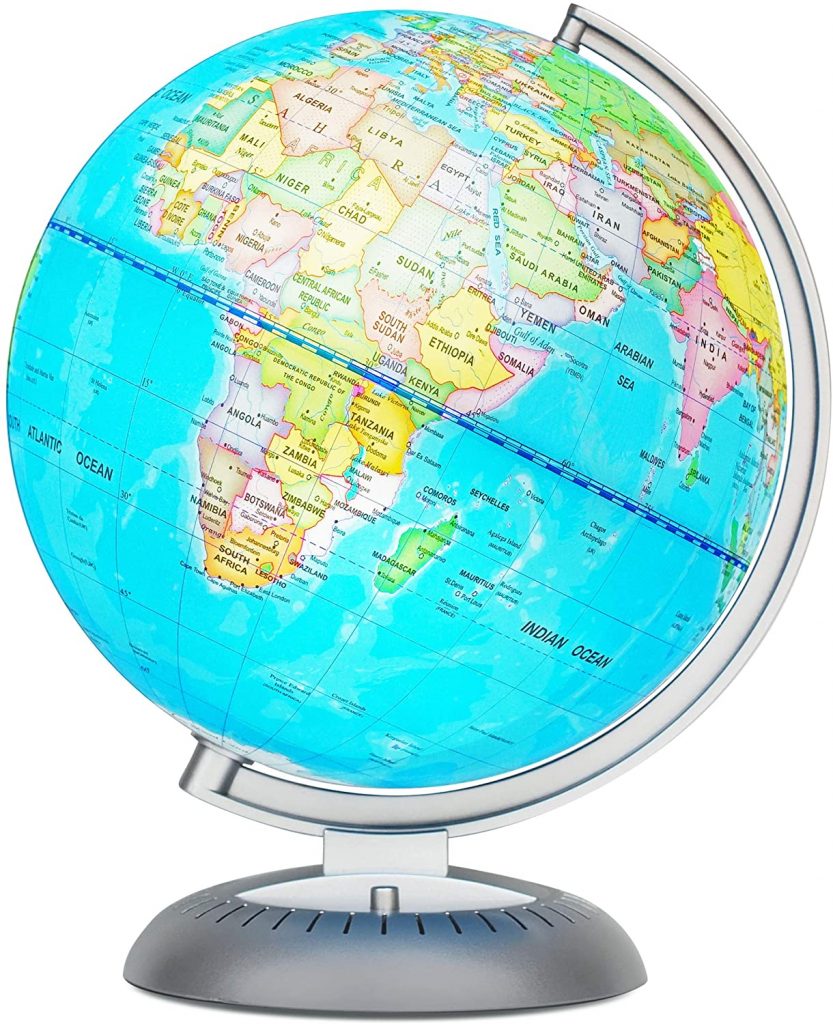
We have all seen globes. The Earth rotates around its axis – which is an imaginary straight line that goes from the North Pole, through the centre of the earth to the South Pole. The Earth is tilted. The axis on which it rotates is at an angle as you can see in this animation.
.
.
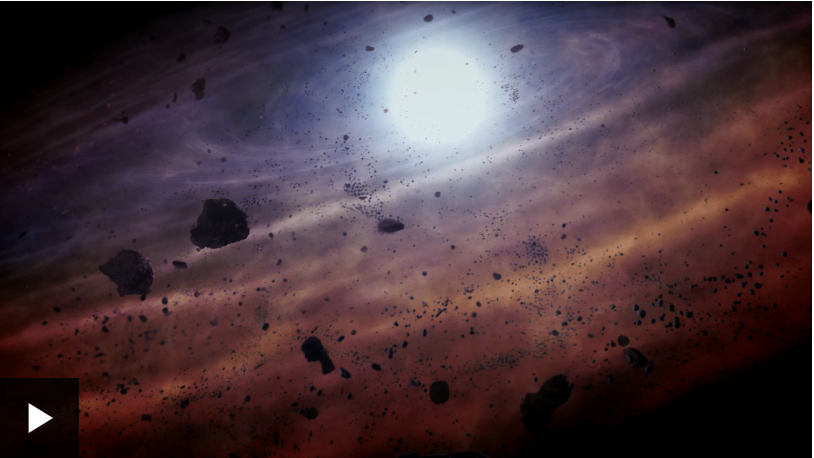
Do you know why the Earth rotates at an angle? It is probably a result of a catastrophic event about 4.5 billion years ago.
.
To find out, go to this page and scroll down the page until you find the video with this picture. Play it!
.
.
The tilt of the earth is very important. It is the reason for the seasons. Watch this short video to see why.
.
.
This video talks it through in a little more detail:
.
.
Finally, the tilt of the Earth’s axis means that there are very special lines of latitude. Scroll through the slides below to learn about the tropics:
.
A pdf of the slides are here if you can’t access the slideshow.
.
F